Hand-shaped ceramic, bonded to enamel. The smile you would have grown into.
Veneers are thin shells of feldspathic or lithium disilicate ceramic, bonded to the front of natural teeth. They correct shape, shade, alignment, and proportion without orthodontics. Done well, they read as your own enamel — translucent at the edge, warmer near the gum, individually shaped.
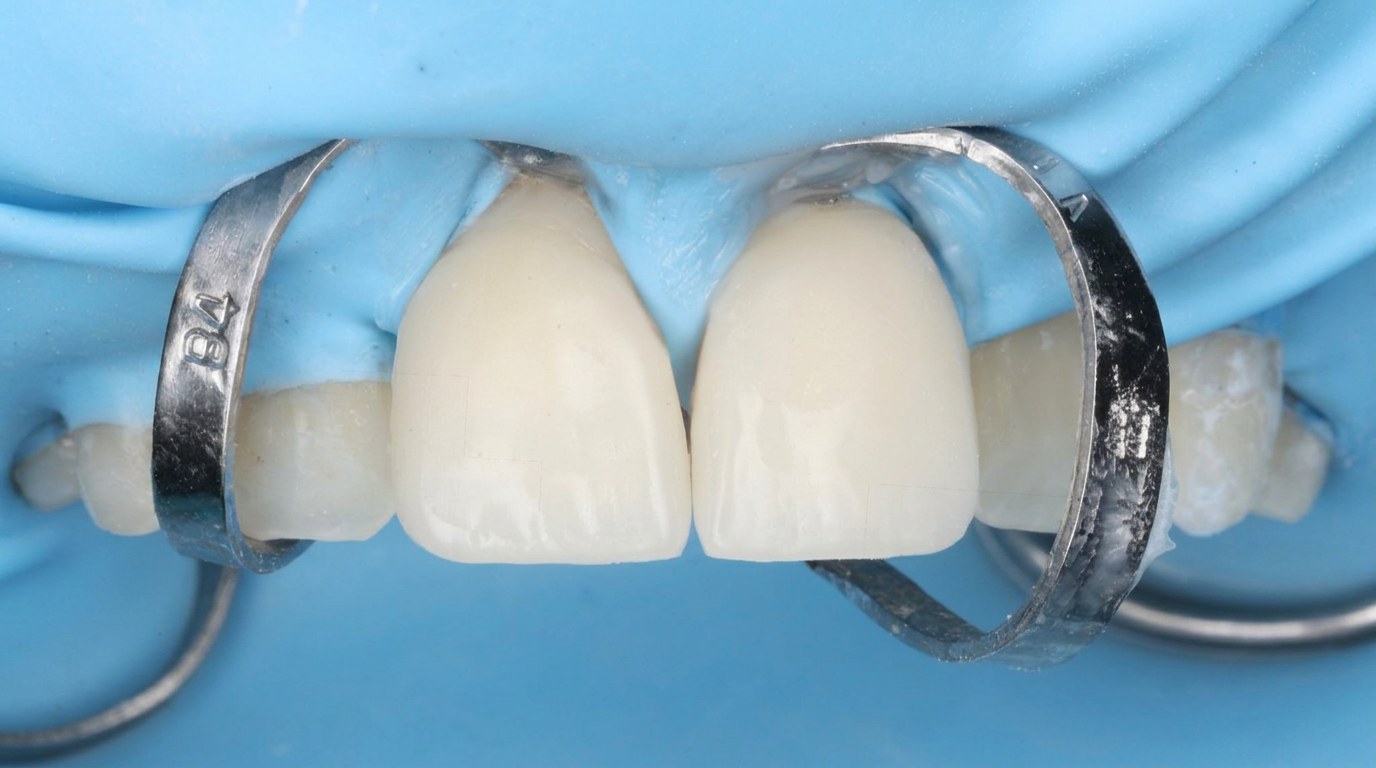
Dr. Chovatiya designs every veneer case digitally first: a 3D mock-up of your future smile, previewed in your own mouth before any tooth is touched. Final ceramics are shaped by a master ceramist by hand. Bonding is rubber-dam isolated and immediate-dentin-sealed for a thirty-year bond.
3D digital mock-up referenced to your face proportions — width, midline, smile line.
The proposed shape rehearsed in your mouth in temporary resin. Refined before any reduction.
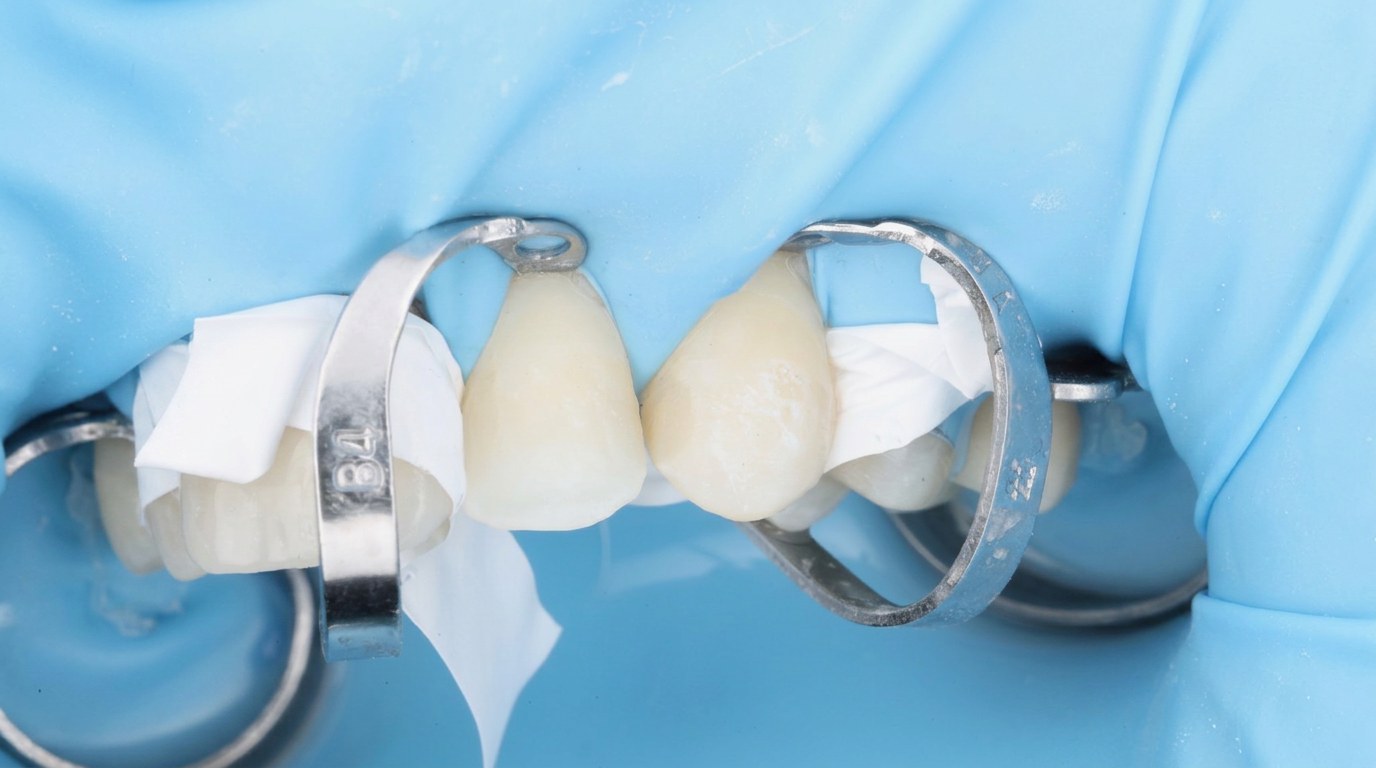
0.3–0.5 mm of enamel reduction — sometimes none. Designed to preserve, not destroy.
Stacked, fired, and individually characterized by a master technician. Adhesively bonded under rubber dam.
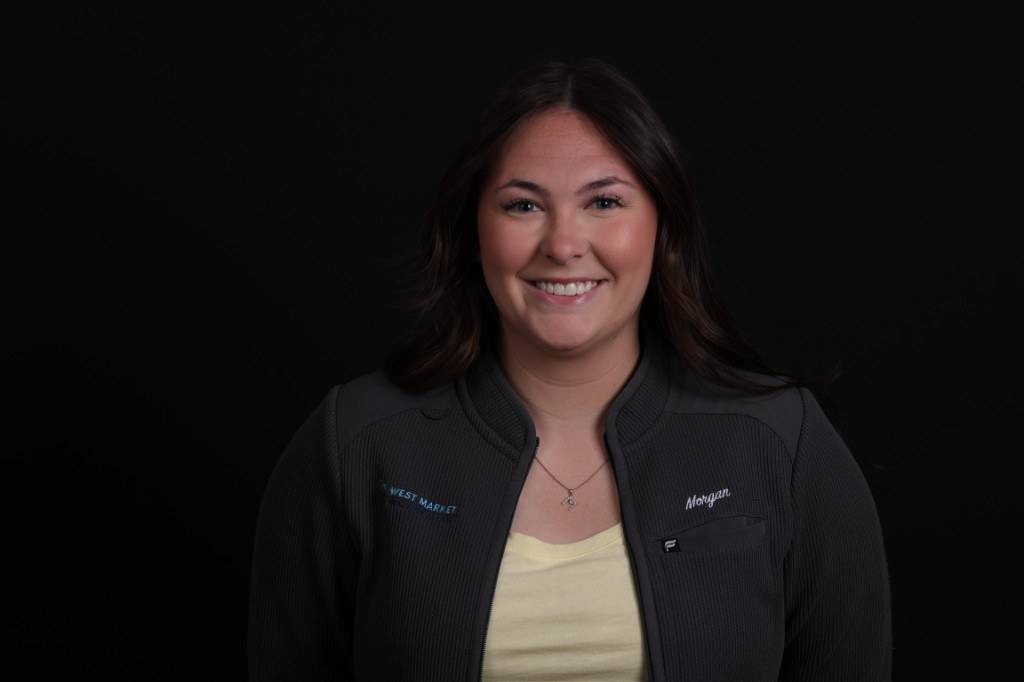
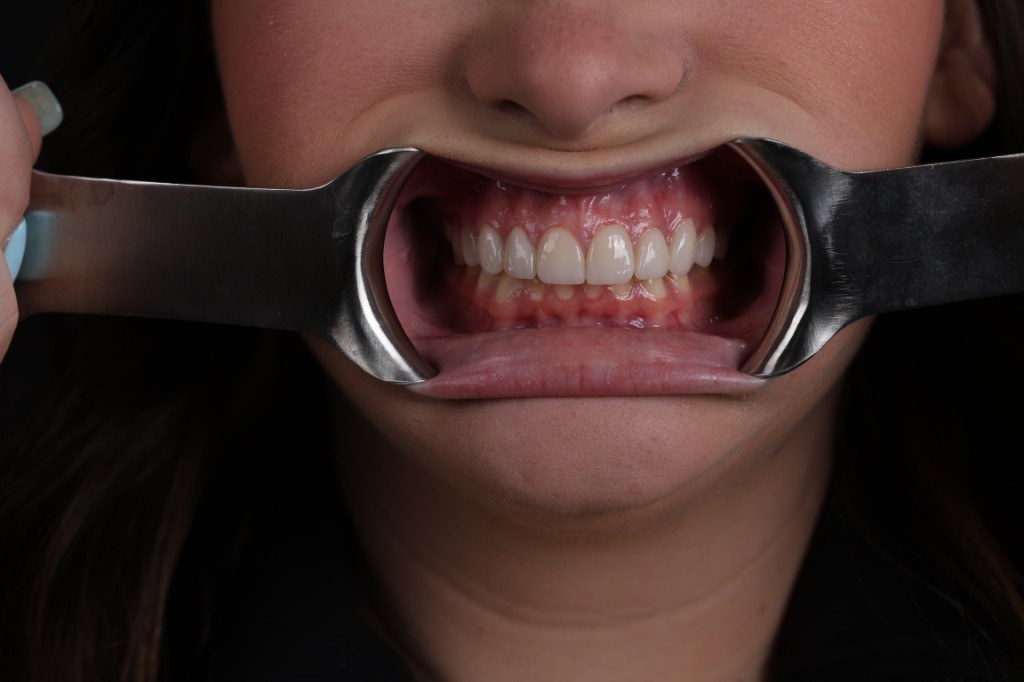
Unedited clinical photographs · 6 cases
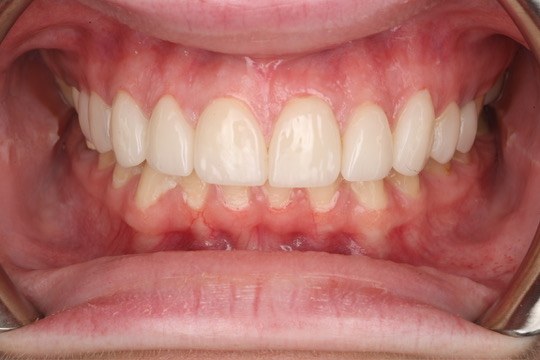
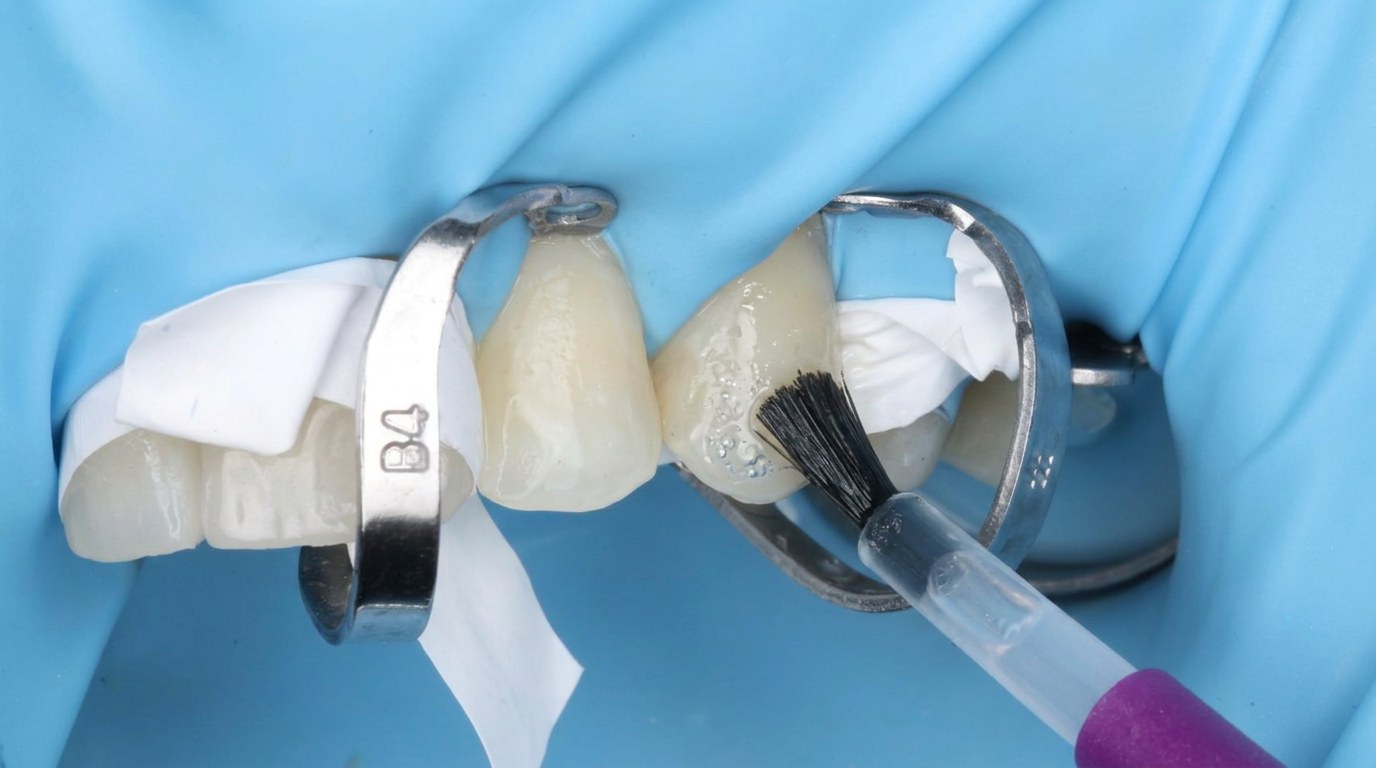
Modern veneers are minimally prepped — typically 0.3 to 0.5 mm of enamel. Some cases require none. Aggressive crown-style preparation is rarely justified.
Bonded ceramic, kept under good hygiene, lasts 15–25 years. The bond chemistry is the durability variable — done under rubber dam with proper protocols, it holds.
Not when designed for the face. The most common giveaway is uniformity — all teeth identical shade, identical shape, identical translucency. Hand-finished ceramics avoid this.
Yes — a trial smile in resin, worn in your mouth, lets you and Dr. Chovatiya refine the design before any porcelain is fabricated.
Typically 6–10 across the smile zone. Two or four veneers usually look spotted; balanced cases work better.