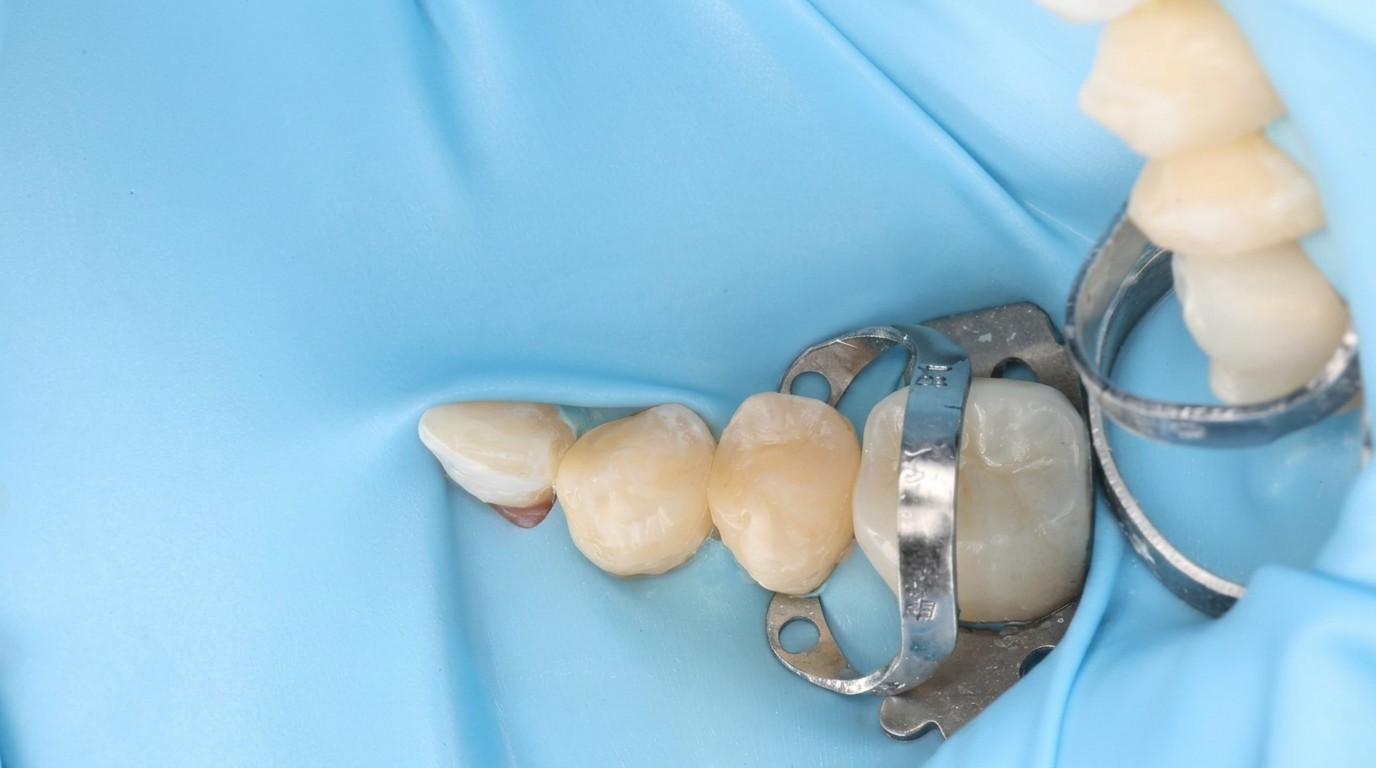
Biomimetic composite, layered for translucency. The repair you should not be able to see.
Modern composite resin, applied with biomimetic protocols, replaces silver amalgam and even most crowns for small-to-medium cavities. Layered correctly, it mimics enamel translucency, dentin warmth, and the natural shade gradient of a real tooth — invisible against your other teeth.
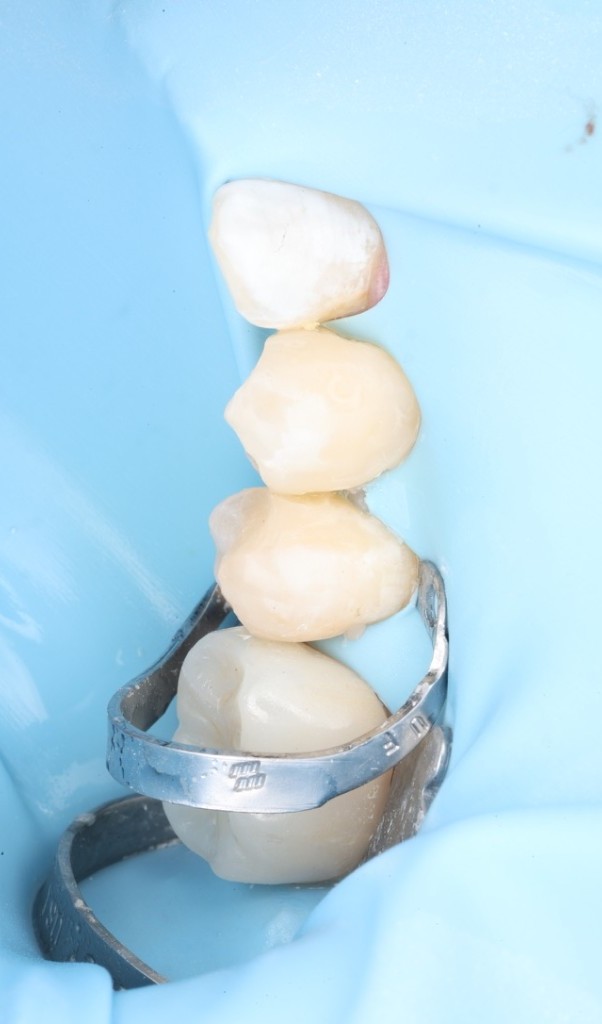
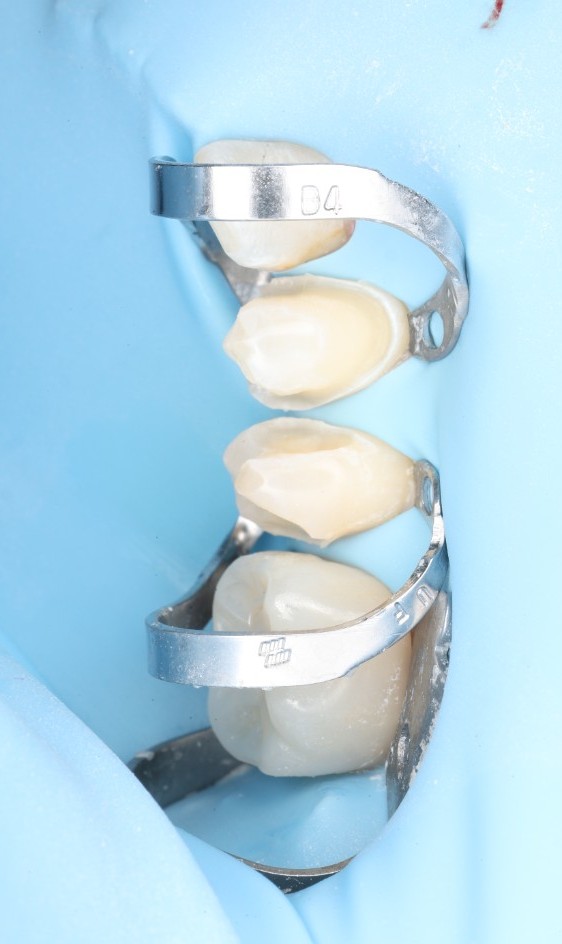
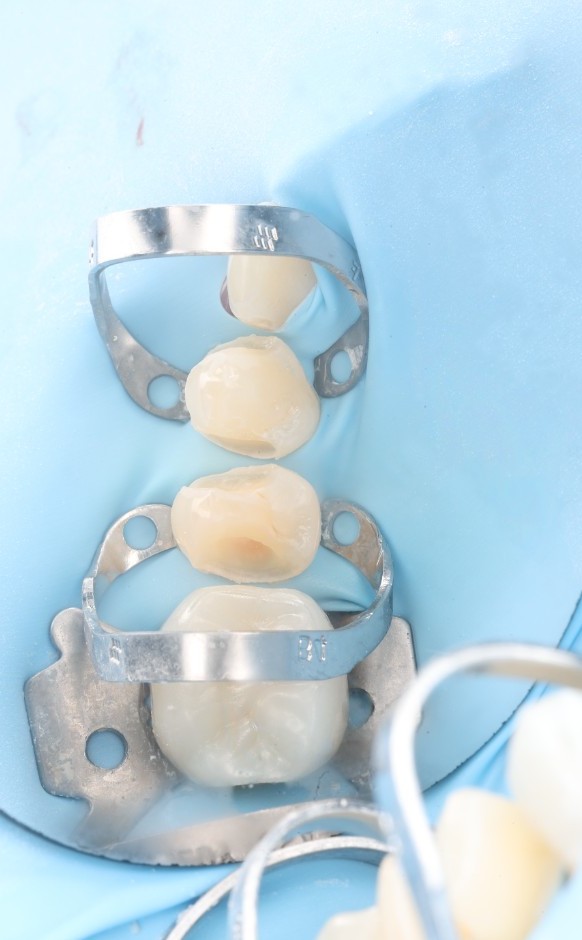
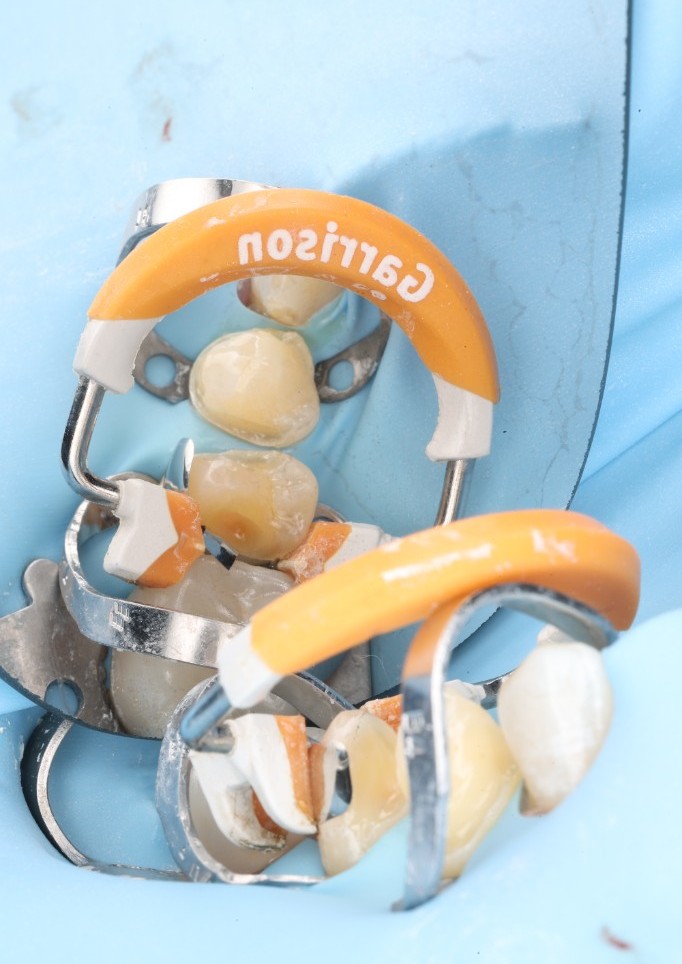
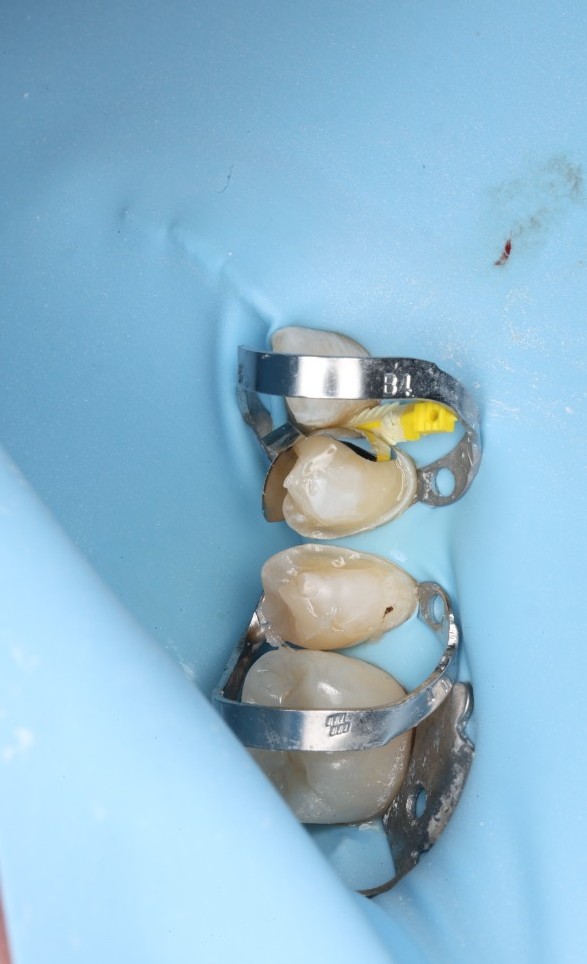
Dr. Chovatiya was trained at UCLA in biomimetic dentistry — a protocol that bonds composite to dentin under controlled stress conditions, sealing the tooth-restoration interface for the long term. Every filling is rubber-dam isolated, color-matched in stratified layers, and finished under loupes.
Remove only diseased tooth structure. Healthy enamel and dentin are preserved at all costs.
Bond agent applied within minutes of preparation — protocol developed at UCLA — to prevent post-op sensitivity and bond degradation.
Stratified opacities: dentin shade for body, enamel shade for surface translucency, accent tints where needed.
Multi-grit diamond polish under loupes. The final restoration reflects light the way real enamel does.
Unedited clinical photographs · 6 cases
Not by Dr. Chovatiya. Modern composite and ceramic restorations are stronger, bond to tooth structure, and contain no mercury.
Stratified composite — shade-matched layer by layer — is essentially invisible against natural enamel.
A single tooth: 30–45 minutes. Multiple teeth in the same session if anesthetic field allows.
Immediate dentin sealing — a UCLA-developed protocol — significantly reduces post-op sensitivity. Most patients feel nothing within a day.
10–20 years with good hygiene. Replacement is straightforward — composite to composite, with no further tooth removal in most cases.