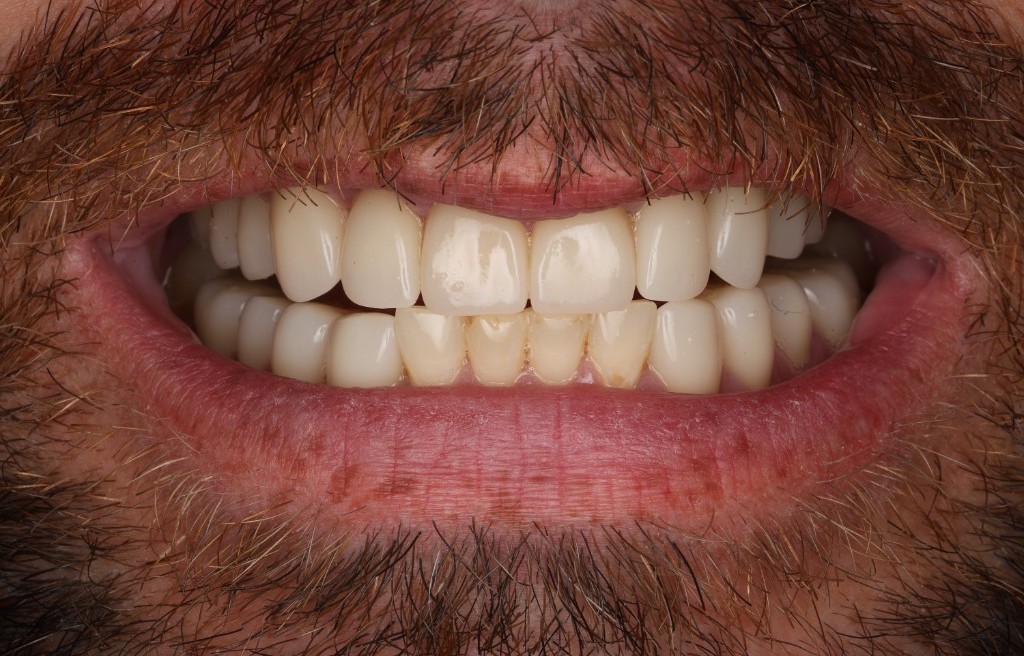
Microscope-assisted endodontics. Saving the tooth you were going to lose.
When the nerve inside a tooth dies — from decay, fracture, or trauma — the body's response is infection and pain. The fix is to remove the dead tissue, disinfect the canal system, and seal it. The tooth itself stays, the pain ends, the bite is preserved.
Dr. Chovatiya performs every root canal under a surgical operating microscope at 25× magnification, with calcium-silicate bioceramic sealers and apex-locator-verified working length. The result: same-day relief, predictable healing, and a restoration that lasts as long as the rest of your dentition.
25× magnification reveals fracture lines, calcified canals, and missed anatomy invisible to the naked eye.
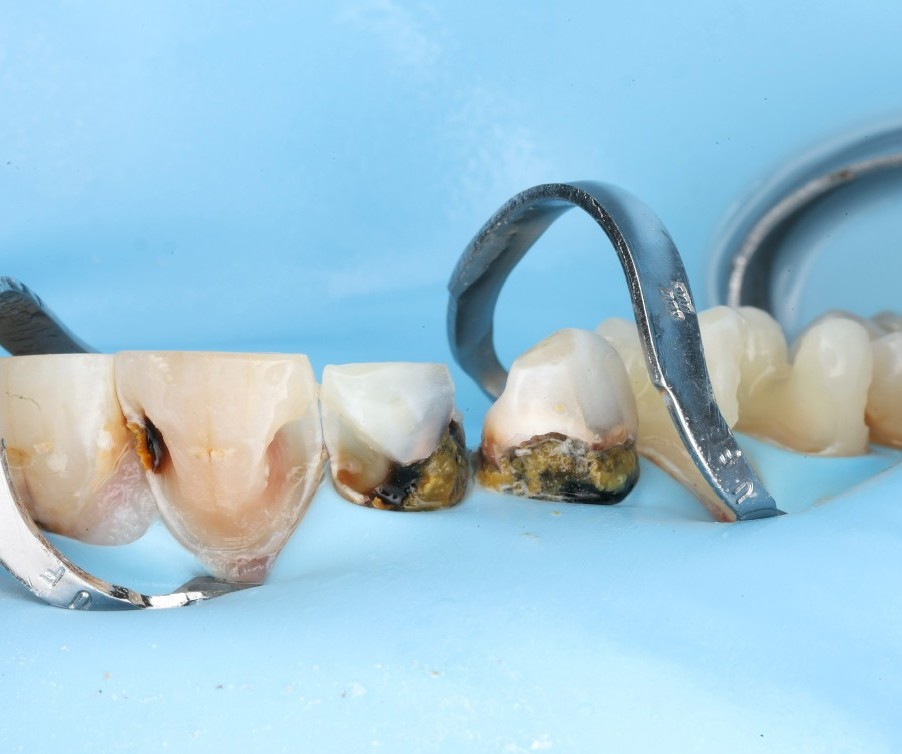
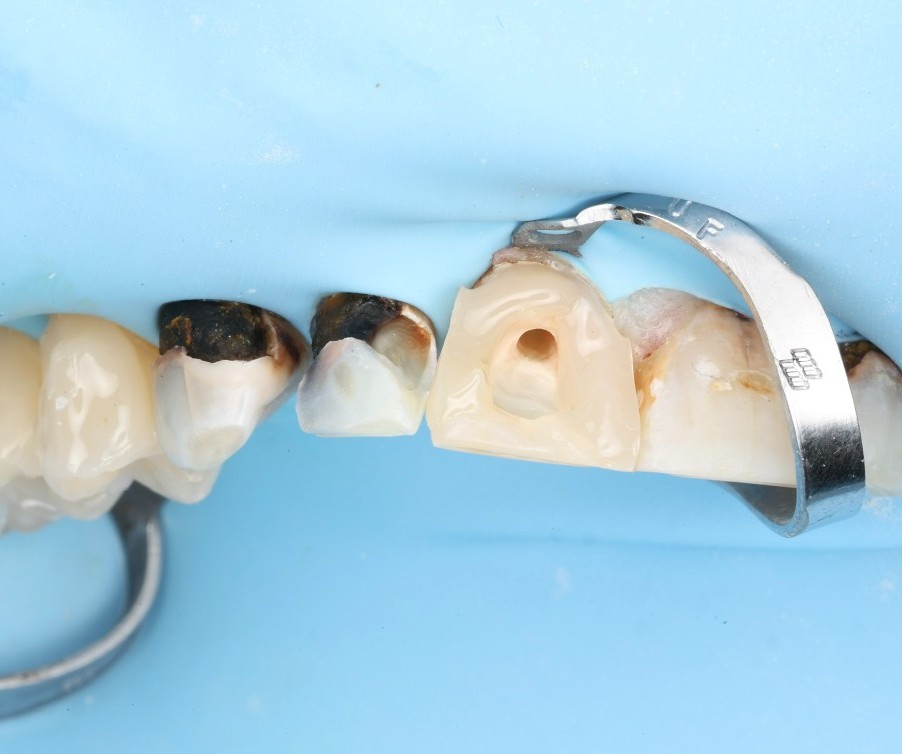
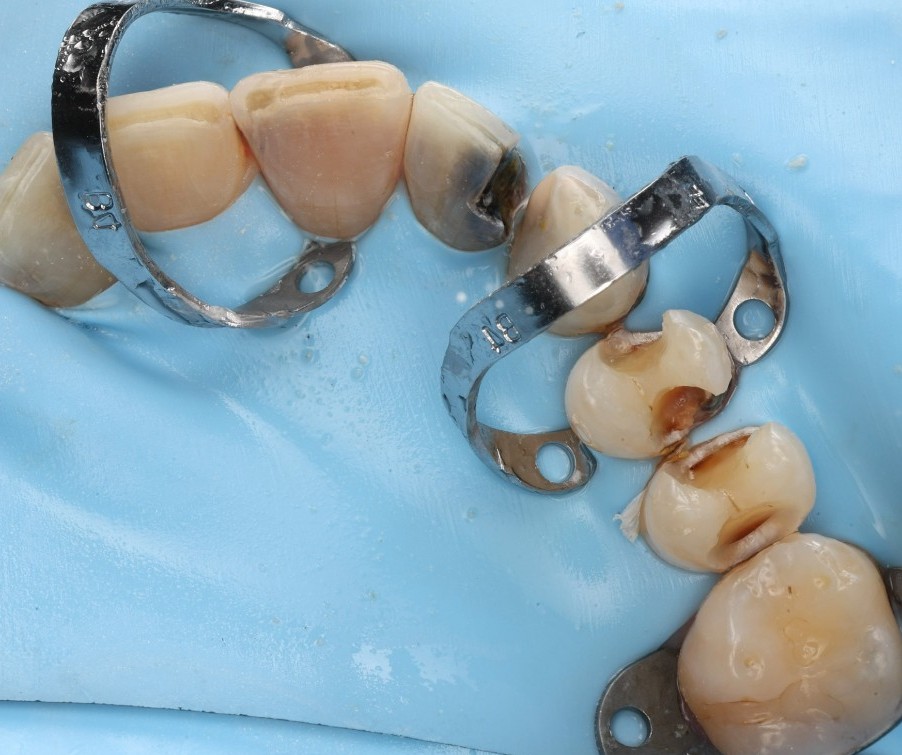
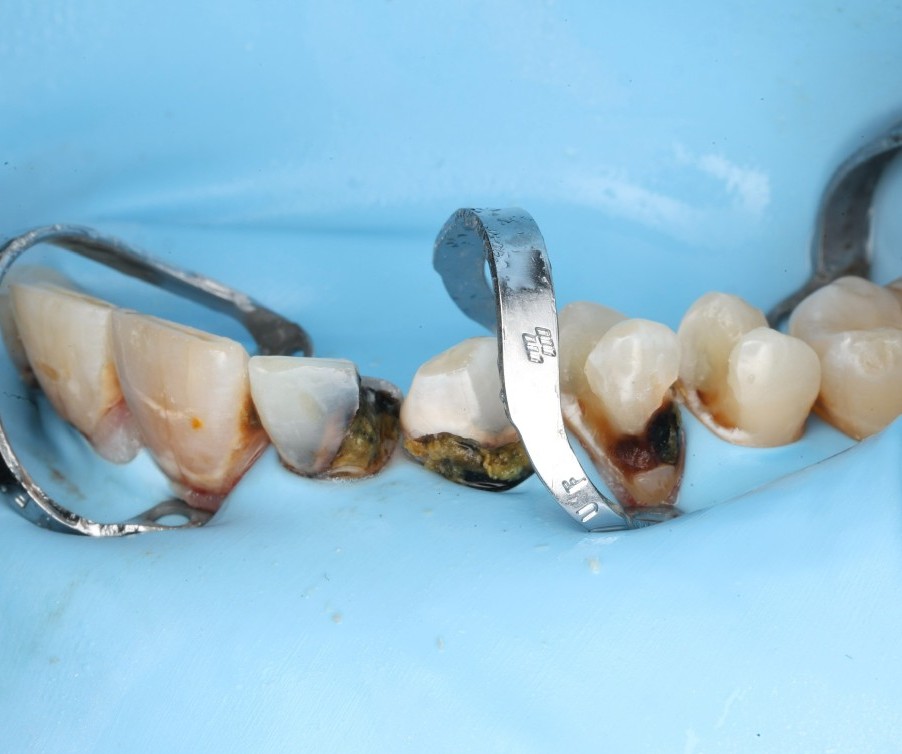
Tooth completely sealed from saliva. Required for a sterile field — non-negotiable.
Heat-treated nickel-titanium files shape canals; bioceramic sealer bonds to dentin and is biocompatible.
Same-visit composite or referral for crown, depending on remaining tooth structure.
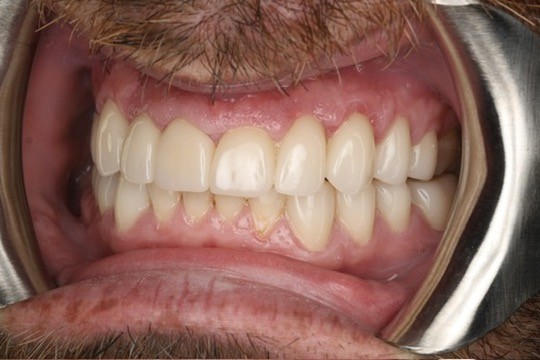
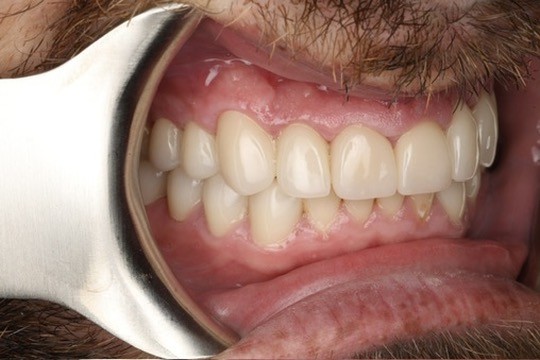
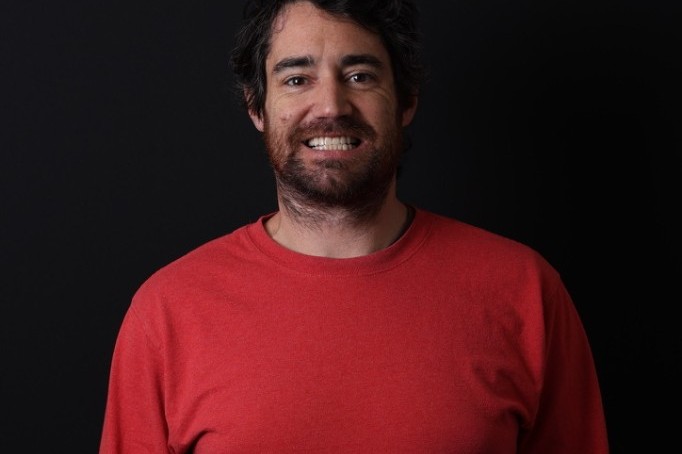
Unedited clinical photographs · 7 cases
Less than the toothache that brought you in. With profound local anesthesia, the procedure itself is painless. Mild tenderness for a day or two after is normal.
Most root canals are completed in a single appointment, 60–90 minutes. Severely infected or molar-with-four-canals cases occasionally need a second visit.
The pulp is removed; the tooth stays. The root and crown remain functional, with the same bite and appearance — provided a proper restoration follows.
Often yes, for back teeth — they take heavy biting force and tend to fracture without one. Front teeth sometimes need only a composite.
A well-sealed root canal with a good restoration: indefinitely. Failure is almost always coronal (the seal on top), not apical (the bottom).